Hospitality Furniture USA: The Ultimate Buying Guide (2026)
- Sara Hospitality USA

- Mar 17
- 3 min read
Updated: Mar 18
In the competitive US hospitality market, your furniture is more than just a design choice—it is a performance asset. Whether you are overseeing a boutique renovation or a large-scale brand conversion, the Furniture, Fixtures, and Equipment (FF&E) you select directly impacts your guest satisfaction scores and your bottom line.
This guide serves as a strategic roadmap for hotel owners, interior designers, and procurement managers navigating the complexities of sourcing commercial-grade furniture in 2026.
1. What to Look for When Buying Hospitality Furniture in the USA?
Buying for a hotel is vastly different from residential purchasing. In a high-traffic commercial environment, durability must match aesthetics.
Commercial-Grade Durability & Warranty: Residential furniture is designed for a family of four; hospitality furniture is built for thousands of guests. Look for reinforced joinery, high-quality veneers, and warranties that specifically cover commercial use.
ADA Compliance (Americans with Disabilities Act): In the USA, accessibility is a legal requirement. Your FF&E must account for ADA standards, including specific desk heights for wheelchair access and clear floor space in guest rooms.
Fire Retardant & Safety Standards: Ensure all upholstered items meet TB117-2013 standards. Safety compliance is a non-negotiable metric for brand-standard hotels.
2. The Core Categories of Hotel Furniture (FF&E)
To maximize your Revenue Per Available Room (RevPAR), every piece of furniture must serve a functional purpose.
Lobby & Lounge Furniture: Your lobby is the "first impression" zone. Focus on high-impact accent chairs and modular sofas that withstand heavy luggage contact while maintaining a premium feel.
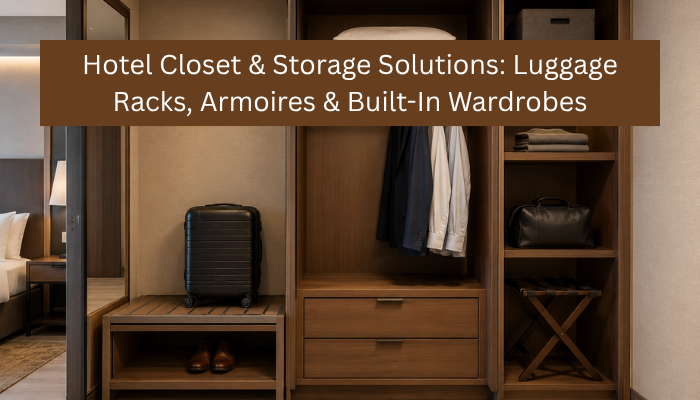
Guest Room Casegoods: The "workhorse" of the hotel. This includes headboards, nightstands, and wardrobes. In 2026, the shift is toward Smart Wardrobes and integrated desks that maximize smaller footprints.
Restaurant & Bar Furniture: High-traffic areas require "wipe-clean" surfaces. Utilize high-pressure laminates (HPL) and antimicrobial performance fabrics to maintain hygiene and longevity.
3. The 5-Step Hospitality Furniture Procurement Process
A clear roadmap prevents costly delays during the installation phase:
Design & Brand Standard Blueprint: Align choices with your brand’s specific "look book."
Prototyping (The Model Room): Never order 200 rooms without testing one. A model room allows you to verify the fit and flow of the pieces.
Manufacturing & QA: Monitor the production line to ensure every piece matches the approved prototype.
Logistics & Warehousing: Coordinate freight so furniture arrives exactly when the rooms are ready.
White-Glove Installation: Professional assembly ensures warranties remain valid and integrated tech is wired correctly.
4. 2026 Trends: Smart Tech & Sustainability
Smart & Tech-Integrated Furniture: 2026 standards require built-in USB-C ports and wireless charging pads integrated directly into nightstands and communal work tables.
Sustainable & LEED-Certified: Utilizing FSC-certified wood and recycled materials can earn your project LEED points, a major draw for eco-conscious corporate travelers.
Biophilic Design: Incorporating natural textures and wood grains helps lower guest stress levels, a trend dominating high-end hotel interiors this year.
5. Budgeting for FF&E: Hidden Costs to Watch Out For
The price on the quote is rarely the final cost. To avoid budget overruns, factor in:
Freight & Fuel Surcharges (10–15% of FF&E): Shipping large volumes requires a dedicated logistics budget.
Warehousing: If construction is delayed, you must account for climate-controlled storage fees.
Professional Installation: "White-glove" installers prevent damage during the move-in phase.
Pro Tip: For a deeper dive into financial planning, see our comprehensive guide on how to estimate hotel renovation costs per room.
Conclusion: Strategic FF&E Management in 2026
The selection of a furniture partner in the current US climate is a high-stakes decision that impacts a hotel’s operational timeline and long-term asset value. As market volatility and shipping costs remain unpredictable, the shift toward domestic procurement and "Smart" integrated designs is no longer a luxury, but a logistical necessity.
By prioritizing ADA compliance, commercial-grade durability, and transparent procurement timelines, hotel operators can effectively mitigate risk. Ultimately, a well-executed FF&E strategy does more than fill a room—it stabilizes the supply chain, ensures project deadlines are met, and directly contributes to a property's competitive edge in the 2026 hospitality landscape.


Comments